Elevate Your Hair: Essential Benefits of Hair Keratin Treatment to Discover
Hair keratin therapies have risen in prominence because of their power to enhance hair texture and overall appearance. By incorporating keratin, these treatments seek to eliminate frizz and increase luster. Many individuals seek this solution for smoother, more manageable hair. Nevertheless, the procedure and its effects deserve thoughtful evaluation. Learning the intricacies of keratin treatments helps guide well-informed decisions about personal hair care. What exactly should one expect from this treatment?
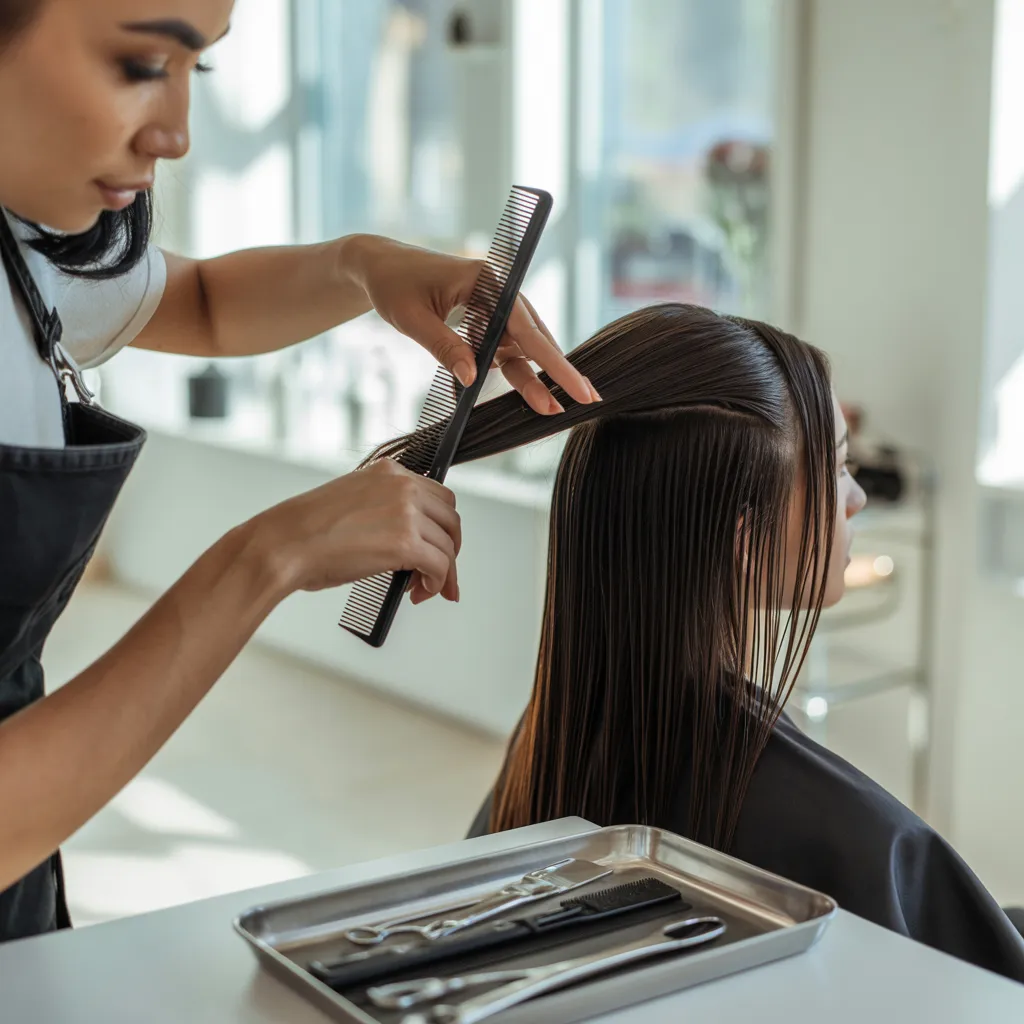
Exploring Keratin Treatments for Hair: Defining the Process and How It Works
What exactly are hair keratin treatments, and how are they performed? Hair keratin treatments are treatments performed in salons designed to smooth and strengthen hair by enriching it with keratin, a natural protein that makes up a significant portion of hair structure. Throughout the process, a keratin solution is applied often combined with various chemicals, to the hair shaft. Heat is then utilized to seal the solution, allowing the keratin to absorb into the hair more thoroughly.
The procedure operates by filling in damaged areas of the hair cuticle, producing a noticeably smoother texture. This procedure minimizes frizz while boosting shine, resulting in easier-to-manage hair. In most cases, the outcomes can last for several weeks, based on individual hair type and care routine. Overall, hair keratin treatments offer a method to improve hair texture and appearance, making them a popular selection for those aiming to elevate their hair's health and overall look.
Primary Advantages of Keratin Hair Treatments for Frizz Management
Keratin treatments provide notable benefits for individuals dealing with frizzy hair. At their core, these treatments operate by saturating the hair with keratin, a natural protein that smooths the hair cuticle. This technique notably minimizes the hair's porosity, helping it to preserve moisture and fight humidity—two frequent causes of frizz.
In addition, keratin treatments improve hair control, making it more convenient to handle. The polished finish produced through these treatments not only decreases frizz but also provides a lustrous shine, giving the hair a healthier look.
Additionally, these treatments can cut down on styling time; you spend less time using heat tools and flat irons. All things considered, clients can experience long-lasting benefits, resulting in less daily upkeep. By tackling frizz and texture directly, keratin treatments provide a practical solution for anyone desiring smooth and manageable hair.
Keratin Treatments Duration: How Long Can You Expect Them to Last?
The longevity of keratin treatments differs, usually spanning three to six months. Various factors, such as hair type, product quality, and aftercare practices, can influence this longevity. Understanding maintenance tips can further extend the benefits of these treatments.
Standard Treatment Lifespan
Duration is an important factor for those contemplating a keratin treatment. In most cases, the benefits of a keratin treatment persist for three to six months, influenced by elements like hair type and care habits. Clients often report smoother, frizz-free hair during this period, which significantly cuts down on styling time and enhances manageability. The treatment works by infusing keratin—a natural protein—into the hair, creating a protective barrier. Over time, as the hair undergoes washing and styling, the treatment gradually fades. Regular touch-ups can extend the benefits, allowing individuals to enjoy their transformed hair for a longer duration. Ultimately, understanding the typical longevity helps clients set realistic expectations for their hair care journey.
Factors Affecting Duration
As many look forward to the smooth results of a keratin treatment, multiple elements heavily impact how long the effects will last. For starters, the hair type plays an essential role; fine or straight hair tends to lose results sooner than coarse or curly hair. The quality of the keratin product used also plays a role, as superior quality products typically offer more durable outcomes. Environmental conditions, such as humidity and exposure to sun or chlorine, can diminish the treatment's longevity. Additionally, the washing frequency and the kinds of hair products used can significantly affect how long results last. Finally, the skill level of the stylist administering the treatment can influence the degree to which keratin adheres to the hair, thereby affecting how long the results endure.
Maintenance Tips for Longevity
Consistent care is crucial to prolonging the effectiveness of keratin treatments. To achieve longevity, individuals should avoid washing their hair for at least 72 hours post-treatment, allowing the keratin to fully bond. When washing, sulfate-free shampoos are recommended, as sulfates can strip the treatment. Reducing hair washing to two to three sessions weekly can also contribute to sustaining the treatment's results. Additionally, using a wide-tooth comb to detangle wet hair minimizes breakage. It is advisable to minimize exposure to chlorine and saltwater, as these can weaken keratin bonds. Regular moisturizing and using heat protectants before styling can further enhance the treatment's lifespan. By following these maintenance tips, individuals can enjoy smoother, healthier hair for an extended period.
What You Can Expect from Your Keratin Treatment Session
A professional keratin treatment offers a remarkable experience for clients who desire smoother, shinier hair. Guests can plan for the session to last between an hour to three hours, depending on hair length and thickness. At the start of the appointment, a professional assessment is generally carried out to assess hair condition and determine the appropriate treatment.
Next, the stylist will cleanse the hair with a clarifying shampoo to strip away impurities, before proceeding with the application of the keratin solution. This solution is spread evenly, to ensure every strand is coated. Following a short processing interval, heat is then applied using a flat iron to bond the keratin into the hair.
Over the course of the treatment, customers may detect a subtle chemical smell, which is completely expected. As the session comes to an end, the hair will look significantly smoother and easier to manage. Customers should depart the salon feeling enthusiastic about their transformed appearance, with the assurance that the results can persist for several weeks with proper care.
How to Maintain Your Keratin Treatment Aftercare
Aftercare is essential for prolonging the benefits of a keratin treatment. It is necessary to avoid water exposure for the first 48 to 72 hours and to use sulfate-free products to maintain hair integrity. These steps help maintain the treatment's effectiveness and improve the hair's overall condition.
Prevent Water Exposure
Sustaining the benefits of a keratin treatment demands careful attention, especially in the days after the application. An important element of aftercare is minimizing water exposure. For at least 72 hours post-treatment, individuals should refrain from washing their hair or exposing it to any moisture. This includes steering clear of activities that may lead to sweating, such check article as vigorous exercise or hot showers. Water can weaken the keratin bonds that have been carefully infused into the hair, undermining the treatment's effectiveness. Additionally, individuals should be aware about environmental factors, such as rain or humidity. Taking these precautions will help protect the smoothness and shine gained from the keratin treatment, guaranteeing longevity and best results. Proper aftercare plays a vital role in achieving beautiful, healthy hair.
Use Sulfate-Free Products
Upon completing the first 72 hours of refraining from water contact, applying sulfate-free products proves vital for protecting the results of a keratin treatment. Sulfates, a typical ingredient in conventional shampoos, can deplete the hair's natural moisture and reduce the treatment's performance. By selecting sulfate-free products, people can sustain the luster and softness gained from keratin treatments. These products are milder for hair , aiding in moisture retention and extend the treatment's longevity. Furthermore, sulfate-free shampoos frequently include nourishing ingredients that can also boost hair health. Routine use of these alternatives can eliminate frizz and preserve the smooth, controllable feel that keratin treatments deliver, ensuring long-lasting results and healthier-looking hair overall.
Risks and Considerations of Keratin Treatments
Even though keratin treatments deliver significant benefits for hair smoothing and radiance, potential risks and considerations should not be overlooked. A key concern involves the formaldehyde found in certain formulations, that can produce hazardous vapors during the treatment process. Extended exposure can result in breathing difficulties or skin irritation. Furthermore, people with sensitive scalps or existing allergies may suffer negative reactions, necessitating a patch test prior to treatment.
One more important aspect is the longevity of outcomes; while keratin treatments can offer a sleek finish for several months, maintaining the desired look requires specific aftercare, including specially formulated sulfate-free products. Moreover, regular use of treatments may result in hair growing overly processed, resulting in hair dryness or breakage over time.
Finally, it is vital to consult a professional stylist to guarantee that the chosen procedure is ideal for the individual's hair type and condition, minimizing risks while maximizing benefits.
Common Questions and Answers
Can Keratin Treatments Be Done on Color-Treated Hair?
Absolutely, keratin treatments work well on dyed hair. That said, it's wise to wait at least two weeks after dyeing to ensure the hair's condition and optimize the benefits of each treatment.
How Often Can I Get a Keratin Treatment?
In most cases, keratin treatments can be done every three to six months, depending on each person's unique hair type and health. Speaking with a certified hair care specialist can provide personalized recommendations for the best results and long-term hair health.
Can You Find Natural Alternatives to Keratin Treatments?
Natural alternatives to keratin treatments include coconut oil, argan oil, and aloe vera. These options can enhance hair's hydration and radiance, providing smoother texture and reduced frizz without the chemicals often found in traditional keratin treatments.
Are Keratin Treatments Harmful to My Hair?
Keratin treatments can potentially damage hair, most notably when harsh chemicals are present or application is excessive. Overuse may lead to dryness, breakage, or weakened strands, underscoring the need for expert application and thorough aftercare.
What Ingredients Are Best to Avoid in Keratin Products?
People ought to steer clear of keratin formulas containing sulfates, formaldehyde, parabens, and alcohol. These harmful substances can result in hair irritation, dryness, and damage, compromising the overall benefits of keratin applications and damaging hair integrity.